Telehealth can make it much easier to get care, especially when you are busy, live far from a clinic, or need a quick follow-up. But many patients are surprised to learn that your home address matters a lot when you use a telemedicine directory or book a virtual visit. In most cases, the key issue is not where the doctor’s office is located. What matters most is the state where you are physically located during the visit. That rule affects which clinicians can appear in a directory, whether they can prescribe medication, and what kind of follow-up they can legally provide.
If you have ever wondered why a telehealth website asks for your state, ZIP code, or current location before showing appointments, there is a practical reason behind it. Doctors, nurse practitioners, and other licensed clinicians are usually allowed to treat patients only in states where they hold an active license. This means a provider who can see patients in one state may not be allowed to see patients just across the border. Understanding these rules can help you avoid canceled visits, delayed prescriptions, and confusion after your appointment.
Why your address matters in telehealth directories
A telehealth directory is often designed to match you with clinicians who are legally allowed to treat patients in your area. When a site asks for your address, it is usually trying to confirm your state of service, meaning the state where you will be during the appointment. This is important because telemedicine laws are based on patient location, not just the provider’s office address. Even if you live in one state but plan to take the visit while traveling in another, the rules may change.
Your address can also affect what kinds of care are shown in search results. Some providers may be available for general medical advice in multiple states but can prescribe medication only in certain ones. Others may offer follow-up care in a state where they are licensed but not new patient visits. A directory may use your location to filter out clinicians who are not a legal match, which helps reduce the chance of booking an appointment that later has to be canceled.
There is also a practical side to address verification. Telehealth platforms may need your correct location in case of an emergency during the visit, such as chest pain, severe shortness of breath, or a mental health crisis. They may ask you to confirm where you are at the start of the visit for this reason. Giving a different address just to access more appointments can create problems later, especially if the clinician cannot legally continue care or send a prescription to your pharmacy.
- Use the address where you will actually be during the visit, not just your mailing address.
- Update your location if you are traveling, staying with family, or at school in another state.
- Check whether the directory is asking for your home address, current location, or pharmacy location.
- If you are unsure, message support before booking so you do not waste time.
How state licensure affects virtual visits
Licensure means a clinician has official permission from a state to practice there. In telehealth, the usual rule is that the provider must be licensed in the state where the patient is physically present at the time of the visit. This can feel confusing because telemedicine happens online, but state medical boards still regulate care based on location. As a result, a provider you loved last month may not be able to see you today if you are visiting another state.
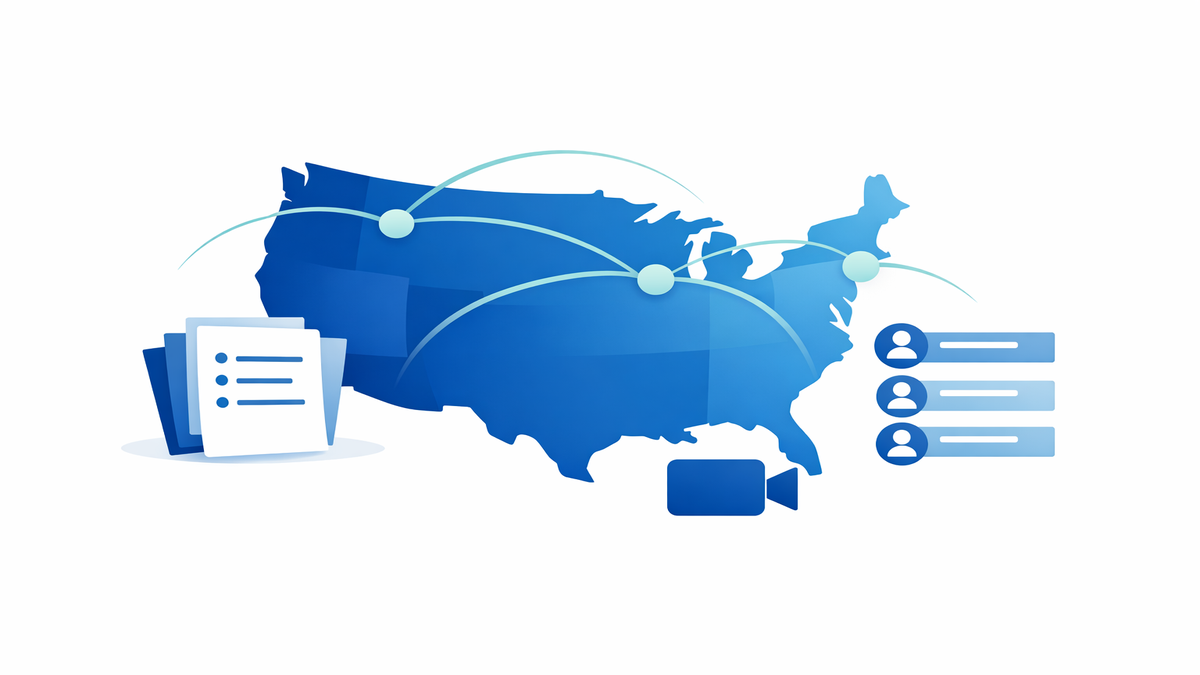
Some clinicians hold licenses in several states, which allows them to see more patients across state lines. Others participate in licensing agreements that make it easier to get approved in multiple states, but these agreements do not erase state-specific rules. Each state can still have its own requirements for telehealth visits, prescribing, and follow-up care. That is why one telehealth company may offer broad coverage while another serves only a few states.
These rules can affect more than the first appointment. If you start treatment with a clinician while living in one state and then move, your follow-up care may need to change. You may have to switch providers, complete a new intake process, or transfer records to someone licensed in your new state. Planning ahead can help prevent gaps in care, especially if you take ongoing medication or need regular check-ins.
- Ask before booking: “Are you licensed in the state where I will be during the visit?”
- If you travel often, look for providers licensed in multiple states.
- Tell your telehealth team early if you are moving, going to college, or spending part of the year elsewhere.
- Keep copies of visit summaries, medication lists, and test results in case you need to change clinicians.
Cross-state rules and medication prescribing
One of the biggest patient concerns is whether a telehealth clinician can send in a prescription. The answer depends on several factors, including the provider’s license, the laws of your state, the type of medication, and whether an in-person exam is required. In many cases, common medications can be prescribed through telehealth if the provider is properly licensed where you are located. But some medicines have tighter rules, and those rules can vary from state to state.
Prescribing across state lines can be especially complicated for controlled substances, which are medicines with extra legal safeguards because they can be misused or cause dependence. Examples may include some pain medicines, sleep medicines, or attention disorder treatments. A provider may be able to evaluate you by video but still be unable to prescribe a certain medication unless specific federal and state requirements are met. That is one reason a directory may list a service in your state but still note limits on medication treatment.
Your pharmacy can also be part of the equation. Even if a telehealth provider sends a prescription, a pharmacy may flag it if the details do not match state rules or if more information is needed. This does not always mean anyone did something wrong, but it can delay treatment. To reduce problems, confirm ahead of time whether the provider prescribes the medication you need in your state and whether your preferred pharmacy accepts telehealth prescriptions from that service.
- Before the visit, ask if the clinician can prescribe in your state for your specific condition.
- Tell the provider about any medication you are already taking, including dose and pharmacy.
- Have a backup pharmacy in case your first choice cannot fill the prescription promptly.
- If your medicine is time-sensitive, ask what happens if the prescription is delayed or denied.
What follow-up care may look like after a telehealth visit
Many telehealth visits do not end with the video call. You may need lab work, imaging, blood pressure checks, medication monitoring, or another appointment in a few weeks. Follow-up care is an important part of safe treatment, and it can become more complicated if you cross state lines after the visit. A provider may be able to start care while you are in one state but may not be able to continue it if you are elsewhere at the next appointment.
This matters most for ongoing conditions such as anxiety, depression, high blood pressure, diabetes, skin problems, or hormone treatment. These issues often require dose changes, side effect checks, or review of test results over time. If your provider cannot legally see you in your new location, your care plan may stall. That is why it helps to ask not only, “Can you see me today?” but also, “Can you manage my follow-up if I travel or move?”
Good follow-up planning can save you stress. Ask how messages are handled, how quickly refills are processed, and whether the service can coordinate with your local primary care office, urgent care, or specialist. If the telehealth service orders labs, make sure you know where to go and how results will be shared. If you may need in-person care later, ask whether the platform has local partners or whether you will need to find someone on your own.
- Before starting treatment, ask what the follow-up schedule will be.
- Find out whether you will see the same clinician again or a different one.
- Ask how refills work if you are out of state when the next refill is due.
- Write down the plan for labs, imaging, and who to contact if symptoms get worse.
How to choose a telehealth listing that fits your situation
When comparing telehealth directory listings, it helps to look beyond the first available appointment. A good listing should clearly explain which states the provider serves, what conditions they treat, whether they prescribe medication, and what kind of follow-up is offered. If that information is missing, consider it a sign to ask more questions before you book. A few minutes of checking can prevent a lot of frustration later.
It is also smart to think about your own needs. If you only want one quick visit for a minor issue, a broad on-demand service may work well. If you need ongoing treatment, medication management, or repeat follow-ups, you may do better with a clinician or service that has stable coverage in your state and a clear long-term process. Patients who split time between states, travel for work, or attend school away from home should pay extra attention to multi-state licensing and refill policies.
Finally, keep your records organized. Save the appointment confirmation, clinician name, visit notes, medication list, and support contact information. If a prescription does not go through or you need to switch providers, having this information ready can speed things up. Telehealth is often very convenient, but it works best when you treat location, licensure, and follow-up as part of the care plan—not as fine print to ignore.
- Choose listings that clearly state which states are covered.
- Look for transparent information about prescribing and refill rules.
- Prefer services with easy messaging, visit summaries, and clear follow-up steps.
- If your situation is complicated, contact the service before paying or booking.
The bottom line is simple: in telehealth, your physical location affects what care a provider can legally give you. Your address is not just a form field—it helps determine which clinicians can treat you, whether medication can be prescribed, and how follow-up care will work. By checking state coverage, asking about prescribing rules, and planning for follow-up early, you can make telehealth smoother, safer, and less stressful for yourself or the person you care for.