Understanding Medication Reconciliation
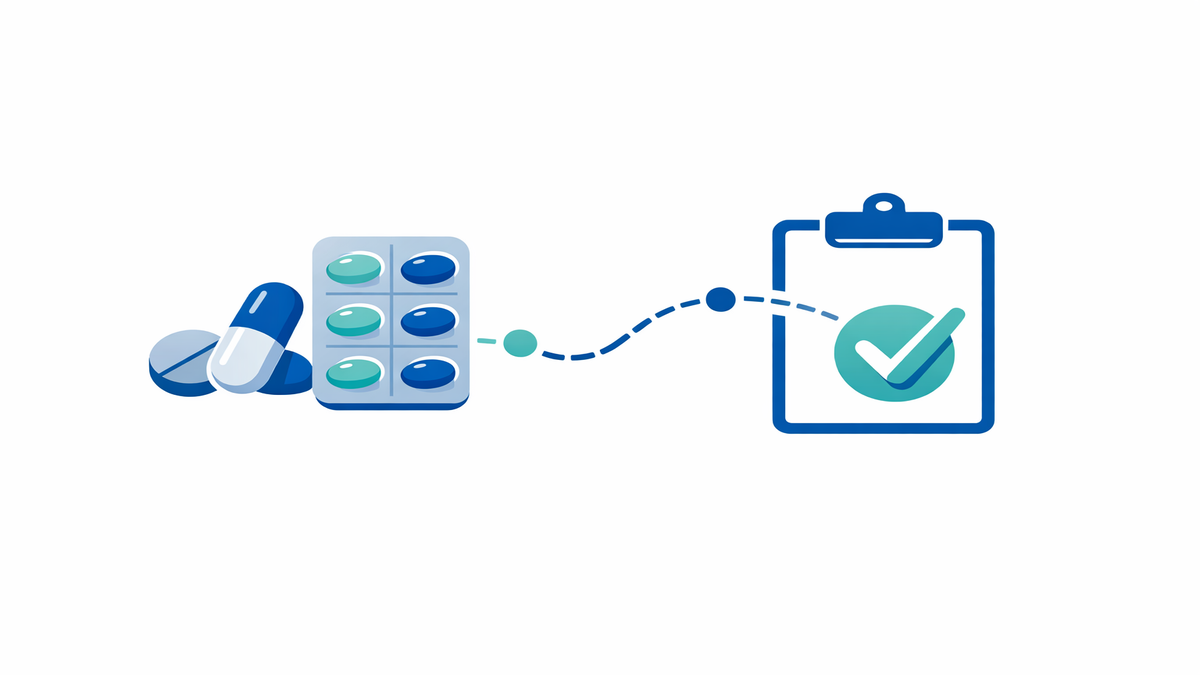
Medication reconciliation is a process that helps healthcare providers make sure your medication list is accurate and up to date. This means comparing the list of medicines you’re actually taking at home with what’s ordered for you in the hospital or clinic. The goal is to avoid mistakes—like missing a needed drug, duplicating a medicine, or prescribing something that could cause a bad reaction with your other medications.
You might hear about medication reconciliation during hospital stays, visits to a new doctor, or before a surgery. At these key points, your care team will carefully review your medications with you. This review covers everything: prescription drugs, over-the-counter medicines, vitamins, and even herbal supplements. By catching differences or errors early, medication reconciliation helps keep you safe and ensures you get the best possible care.
While it may seem simple, keeping track of all your medications—especially if you see multiple doctors or specialists—can be challenging. That’s why the process is built into your care at important moments, and why tools like the Electronic Health Record (EHR) are so valuable in improving accuracy and communication.
Why Medication Reconciliation Matters at Admission, Transfer, and Discharge
Medication reconciliation is especially important at three critical points in your healthcare journey: when you’re admitted to a hospital, transferred to another care setting, or discharged to go home. Each of these moments brings changes in your care team and treatment plan, which can lead to confusion or mistakes if your medication list isn’t clear.
- Admission: When you first arrive at a hospital or clinic, staff will ask about all the medications you take at home. This helps them avoid giving you something that might interact badly with your current treatments or missing an important drug you need to keep taking.
- Transfer: If you move from one hospital unit to another (for example, from surgery to a regular room), your medicines might change. The new team will review and update your list to be sure you’re not missing anything or getting duplicate prescriptions.
- Discharge: Before you leave the hospital, your care team will go over your medicines again. They’ll explain any changes, new prescriptions, or things you should stop taking. This helps prevent confusion or dangerous mix-ups once you’re back at home.
These steps are designed to protect you from common medication errors, which can happen when information isn’t shared clearly between different caregivers or settings.
How EHR Tools Make Medication Lists Safer and More Accurate
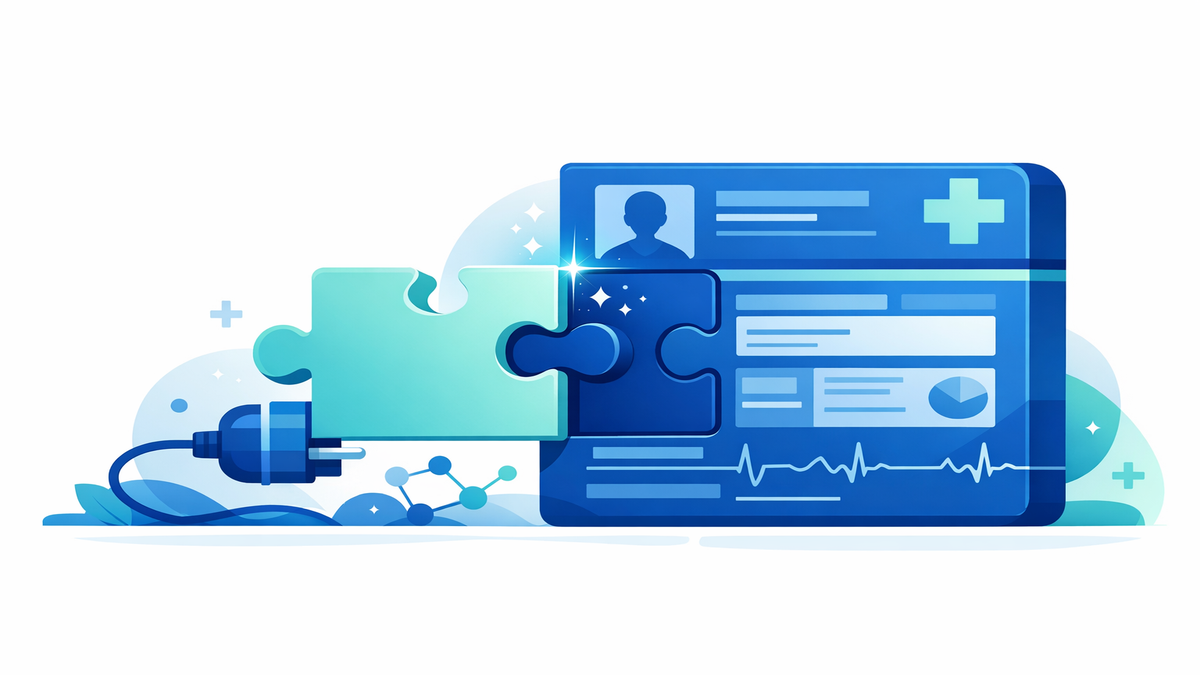
Electronic Health Records (EHRs) are secure, digital systems that store your health information, including your medication history. When it comes to medication reconciliation, EHRs offer several key advantages. They make it easier for your care team to see your complete medication list, even if you’ve been treated at different clinics or hospitals.
EHRs help reduce duplicate or outdated prescriptions by automatically checking for overlapping medications or drugs that are no longer needed. For example, if two doctors prescribe similar medications without knowing what the other has ordered, the EHR can flag this as a potential problem. It also alerts your healthcare team if you’re prescribed something that could interact dangerously with another medicine you’re taking.
- Automatic updates: When your medication list is changed—whether a new drug is added or one is stopped—the EHR updates your record instantly.
- Alerts and reminders: The system can warn providers if they try to prescribe something you’re allergic to or if there’s a risk of a drug interaction.
- Shared access: Multiple members of your care team, including doctors, nurses, and pharmacists, can see the same medication list, reducing the chance of confusion.
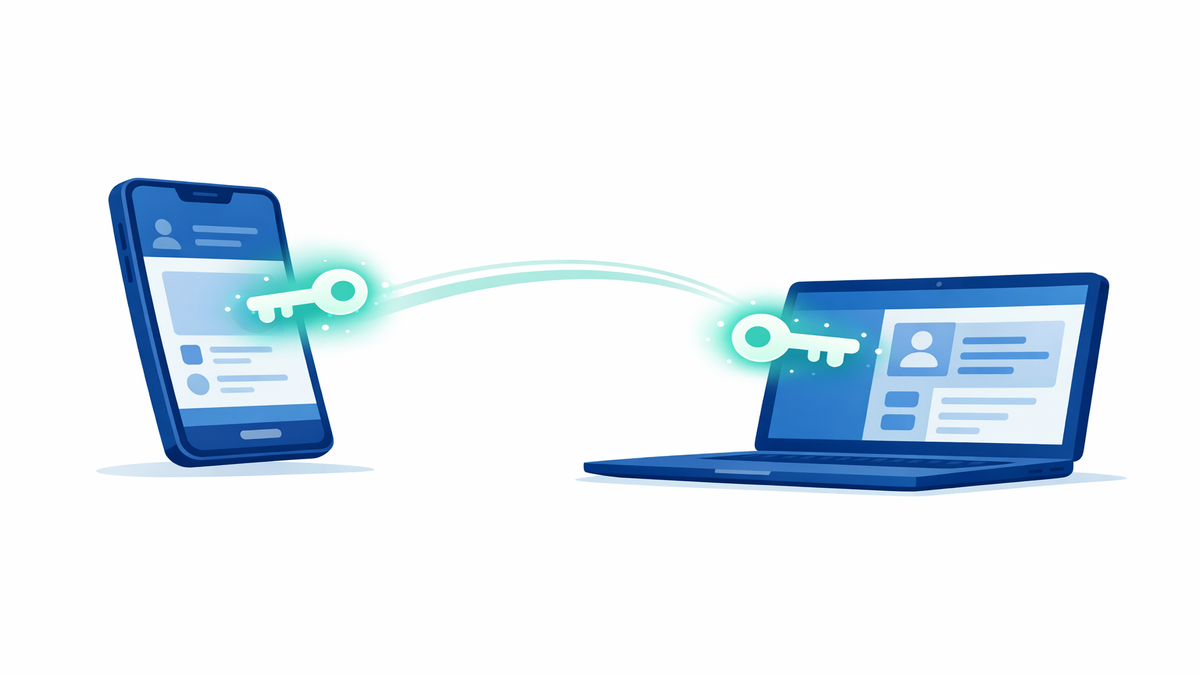
- Patient portals: Many EHRs let you view your medication list online, so you can stay informed and catch errors yourself.
These EHR features make medication reconciliation more thorough and reliable, helping to keep your care safe across every stage of treatment.
What You Can Do to Help With Medication Reconciliation
While your care team and EHR systems work hard to keep your medication list accurate, you play a vital role too. Being proactive about your medicines can prevent mistakes and improve your care. Here are some practical steps you can take:
- Keep an up-to-date list: Write down all the medications you take, including doses and how often you use them. Don’t forget over-the-counter drugs, supplements, and vitamins.
- Bring your list to appointments: Always have your medication list with you when you visit a new doctor, go to the hospital, or pick up a new prescription.
- Ask questions: If your doctor adds, removes, or changes a medication, ask why. Make sure you understand what’s different and what you should do at home.
- Review your patient portal: If you have access, check your medication list online for errors or missing information. Let your care team know if something doesn’t look right.
- Tell your providers about all the care you receive: If you see multiple doctors or specialists, make sure each one knows about the others and about all the medicines you take.
By staying involved, you help your care team make the best decisions for your health and reduce the risk of medication errors.
Key Takeaways for Patients and Caregivers
Medication reconciliation is a safety step that helps prevent mistakes with your medicines, especially during hospital admission, transfer, or discharge. EHR tools make this process more accurate by keeping your medication list up to date and alerting your care team to possible problems. But remember, you’re an important member of your own healthcare team!
- Always keep your medication list current and share it at every healthcare visit.
- Ask questions if you’re unsure about any changes to your medicines.
- Use your patient portal to check your medication list and spot any mistakes.
- Let your care team know about all the medicines you take, including non-prescription items.
Staying informed and involved helps you get the safest and most effective care, every step of the way.