Finding help during a mental health crisis can feel overwhelming, especially when a public directory shows many phone numbers, programs, and age-specific services. It is not always obvious whether to call 988, look for a local crisis mobile team, or reach out to a warmline for support. Public directories try to organize these options so people can get the right level of help faster, but the labels can still be confusing in a stressful moment. Understanding how these services work can make it easier to act quickly for yourself, your child, or someone you care about.
In general, directories sort mental health help by how urgent the situation is, where the person is located, and whether the service is meant for youth or adults. Some listings are for immediate danger, some are for urgent emotional distress, and others are for support before a crisis gets worse. Knowing the difference can help you avoid delays and connect with the most appropriate resource. It can also help caregivers feel more confident when choosing between a statewide hotline and a county-based program.
When 988 is the right place to start
988 is the national Suicide & Crisis Lifeline in the United States. It is designed for people having suicidal thoughts, emotional distress, a mental health crisis, or concerns about substance use. You can call or text 988, and in many areas chat options may also be available. For many people, 988 is the fastest and simplest starting point because it connects them to trained crisis counselors who can listen, assess the situation, and help decide the next step.
A public directory may list 988 near the top because it is a broad, easy-to-remember option that works across counties and states. If someone is overwhelmed, panicking, talking about wanting to die, feeling unable to stay safe, or experiencing a severe mental health episode, 988 is often the most appropriate first contact. The counselor can help with safety planning, emotional support, and referrals to local services. In some cases, they may help connect the caller to a mobile crisis response team or local emergency services if needed.
It helps to know that 988 is not only for the person in crisis. Caregivers, parents, partners, friends, and teachers can also call if they are worried about someone else and do not know what to do next. If you are unsure whether a situation is “serious enough,” it is still reasonable to contact 988 and explain what is happening. It is better to reach out early than to wait until things become more dangerous or harder to manage.
- Use 988 for suicidal thoughts, severe emotional distress, panic, or a rapidly worsening mental health situation.
- Caregivers can call even if the person in crisis is not ready to speak.
- 988 can help route people to local resources, including mobile crisis teams when available.
- If there is immediate danger, serious injury, or a medical emergency, emergency services may still be needed.
What crisis mobile teams do and when they may help
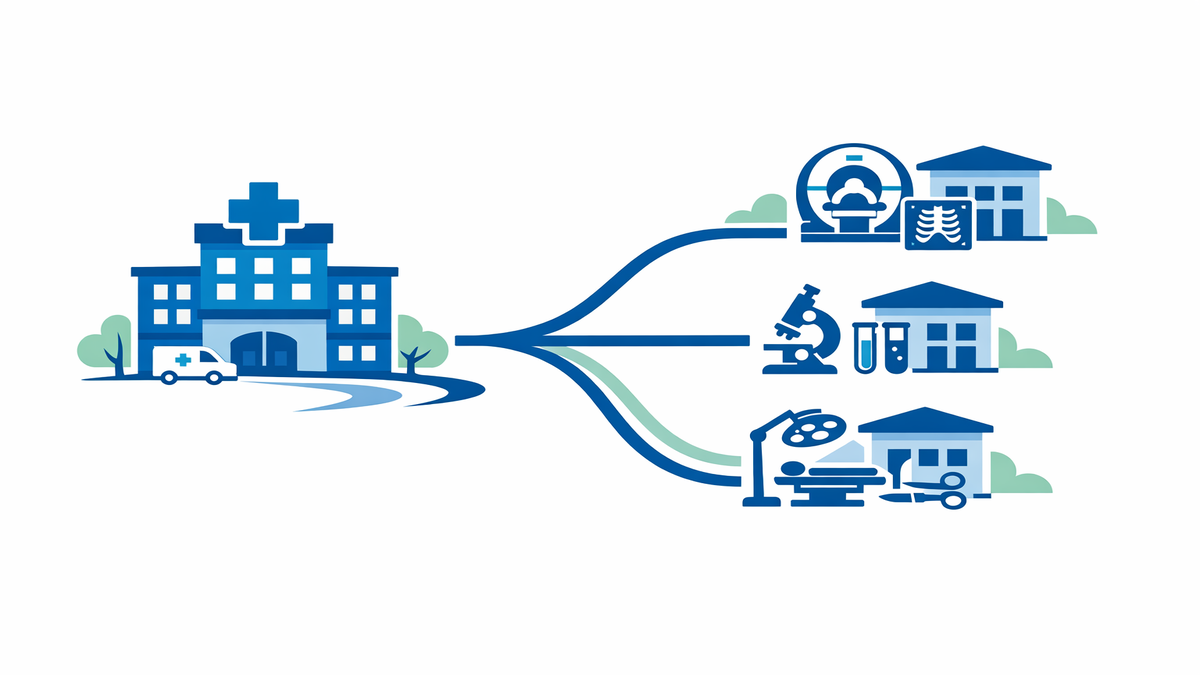
A crisis mobile team is a local service that can respond in person to a mental health crisis. Instead of asking the person to travel to a clinic or emergency room right away, the team may come to the home, school, workplace, or another community location. These teams often include mental health professionals trained to calm the situation, assess safety, and help decide what support is needed next. In some areas, they can also help avoid an unnecessary emergency room visit.
Directories often list mobile crisis services by county because these teams are usually local and only cover certain areas. That means the right number may depend on the city or county where the person is physically located at that moment, not just where they live. If a directory asks for a ZIP code or county name, it is usually trying to match the person with the team that serves that area. This local routing matters because response times, hours, and age eligibility can vary from one county to another.
Mobile crisis teams may be especially helpful when someone is too upset, confused, or frightened to safely travel, or when a caregiver needs hands-on support at home. For example, a teen having a severe emotional meltdown, an adult with intense paranoia, or an older family member becoming highly agitated may all benefit from an in-person evaluation. Some teams can provide short-term follow-up, help with referrals, or coordinate transportation to a higher level of care if needed. Public directories may also note whether the team serves youth, adults, or both.
- Look for county-based listings, since mobile crisis services are often local.
- Check whether the team serves the person’s age group and current location.
- Use mobile crisis when in-person support may help de-escalate the situation.
- If you cannot tell which local team to call, 988 may help route you.
How warmlines differ from crisis lines
A warmline is different from a crisis hotline. Warmlines are usually for people who need emotional support, a listening ear, or help staying steady before a situation becomes an emergency. They are often staffed by trained peers, meaning people with lived experience of mental health challenges, rather than only licensed clinicians. This can make warmlines feel more approachable for someone who is lonely, stressed, or starting to feel overwhelmed but is not in immediate danger.
County directories may include warmlines under mental health support, peer support, or non-emergency help. These services can be useful for ongoing stress, sadness, anxiety, or early warning signs that things are getting worse. A warmline may also help someone practice coping skills, talk through next steps, or find local outpatient care and support groups. In many cases, calling a warmline early can prevent a deeper crisis later.
Because warmlines are not emergency services, they may have limited hours and may not be the right fit for urgent safety concerns. If someone is talking about suicide, cannot stay safe, is hearing or seeing things in a frightening way, or is becoming unable to care for basic needs, a crisis line or emergency response is usually more appropriate. Public directories may separate warmlines from crisis resources for this reason. That sorting is meant to help users quickly tell the difference between “support now” and “urgent help now.”
- Choose a warmline for support, connection, and early help before a crisis escalates.
- Check hours, since many warmlines are not available 24/7.
- Switch to 988 or a local crisis service if safety becomes a concern.
- Warmlines can be a good option for caregivers who need guidance and reassurance too.
Why directories separate youth and adult mental health resources
Public directories often sort services into youth and adult categories because age affects how mental health care is delivered. Children and teens may need programs that involve parents or guardians, school coordination, and staff trained in child development. Adults may qualify for different clinics, crisis stabilization programs, or county services based on insurance, disability status, or independent living needs. Age-based routing helps people avoid calling programs that cannot legally or practically serve them.
For youth, directories may use labels such as children’s crisis services, teen mental health, school-linked support, or family behavioral health. These listings may include mobile crisis teams for minors, youth-specific crisis lines, and programs that help families manage intense behavior, self-harm concerns, or emotional outbursts. Some youth services require a parent or guardian to be involved, while others allow teens to speak directly with a counselor depending on local rules. A directory may also note age cutoffs such as “up to age 17” or “ages 16–24,” so it is worth reading those details carefully.
Adult listings may include county crisis units, peer respite programs, supportive housing contacts, and substance use crisis services. Some directories also have a “transition age youth” section for older teens and young adults who do not fit neatly into pediatric or adult systems. If you are helping a college student, a 19-year-old, or a young adult living at home, this middle category can be especially important. It may offer services tailored to school stress, first episodes of mental illness, or early independence challenges.
- Always check the age range listed in the directory before calling.
- For minors, look for notes about parent or guardian involvement.
- If a young adult is 18 to 25, search for “transition age youth” resources too.
- When unsure, ask the first contact whether they can transfer or redirect you.
Practical steps for using a public directory in a stressful moment
When emotions are high, even a well-organized directory can feel hard to use. Start by asking three simple questions: Is anyone in immediate danger? Is this an urgent mental health crisis? Or is this a need for support before things get worse? Those questions can quickly point you toward emergency services, 988 or a mobile crisis team, or a warmline and outpatient support. Keeping the decision simple can reduce panic and help you take action faster.
It also helps to gather a few details before you call, if you can do so safely. Try to note the person’s age, current location, what is happening right now, and whether there are safety concerns such as suicidal statements, aggression, confusion, or substance use. If the directory is county-based, confirm which county the person is in at that moment. Having this information ready can make routing smoother and help the responder connect you with the right service.
If the first number does not fit, do not give up. Public systems can be fragmented, and sometimes a listing is outdated, only open certain hours, or limited to a specific age group. Ask directly, “If this is not the right service, who should I call next?” Many staff members can redirect you, and 988 can often help with that too. Saving key numbers in your phone ahead of time can also make a future crisis easier to manage.
- Decide first: emergency, urgent crisis, or non-emergency support.
- Have the person’s age, location, and main safety concern ready.
- Use 988 if you are unsure where to start or need help navigating local options.
- Save local crisis team and warmline numbers before you need them.
- For caregivers, keep a short written plan with contacts, medications, and preferred hospitals if relevant.
Public directories are most useful when you understand the logic behind them. 988 is often the broad front door for urgent emotional and mental health crises, crisis mobile teams bring in-person local help, and warmlines offer supportive conversation before things escalate. Youth and adult categories exist to match people with programs that fit their age and needs. Once you know how these pieces connect, a directory becomes less like a maze and more like a map.